

Behind the Scenes of GCI's Super Bowl Commercial Photography Campaign
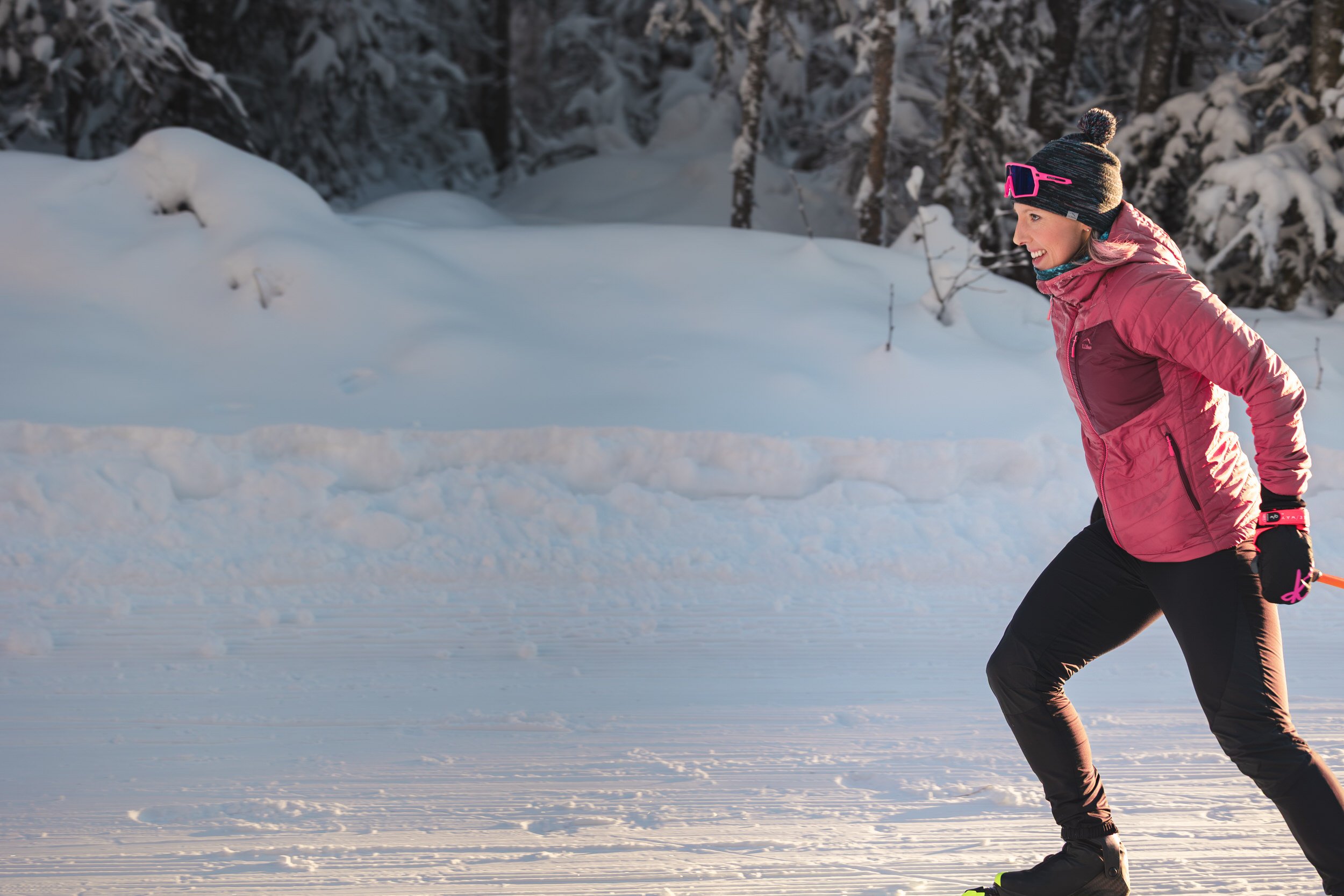
Earlier this year, I joined the production team behind GCI's Super Bowl commercial to create still photography featuring Olympic gold medalist Kikkan Randall and Olympic swimming champion Lydia Jacoby. While viewers only see thirty seconds on screen, those thirty seconds represent weeks of planning, storyboarding, production schedules, and collaboration between an incredibly talented crew.
When most people hear "commercial photography," they picture someone standing behind a camera, taking photos all day.
The reality looks a lot different.
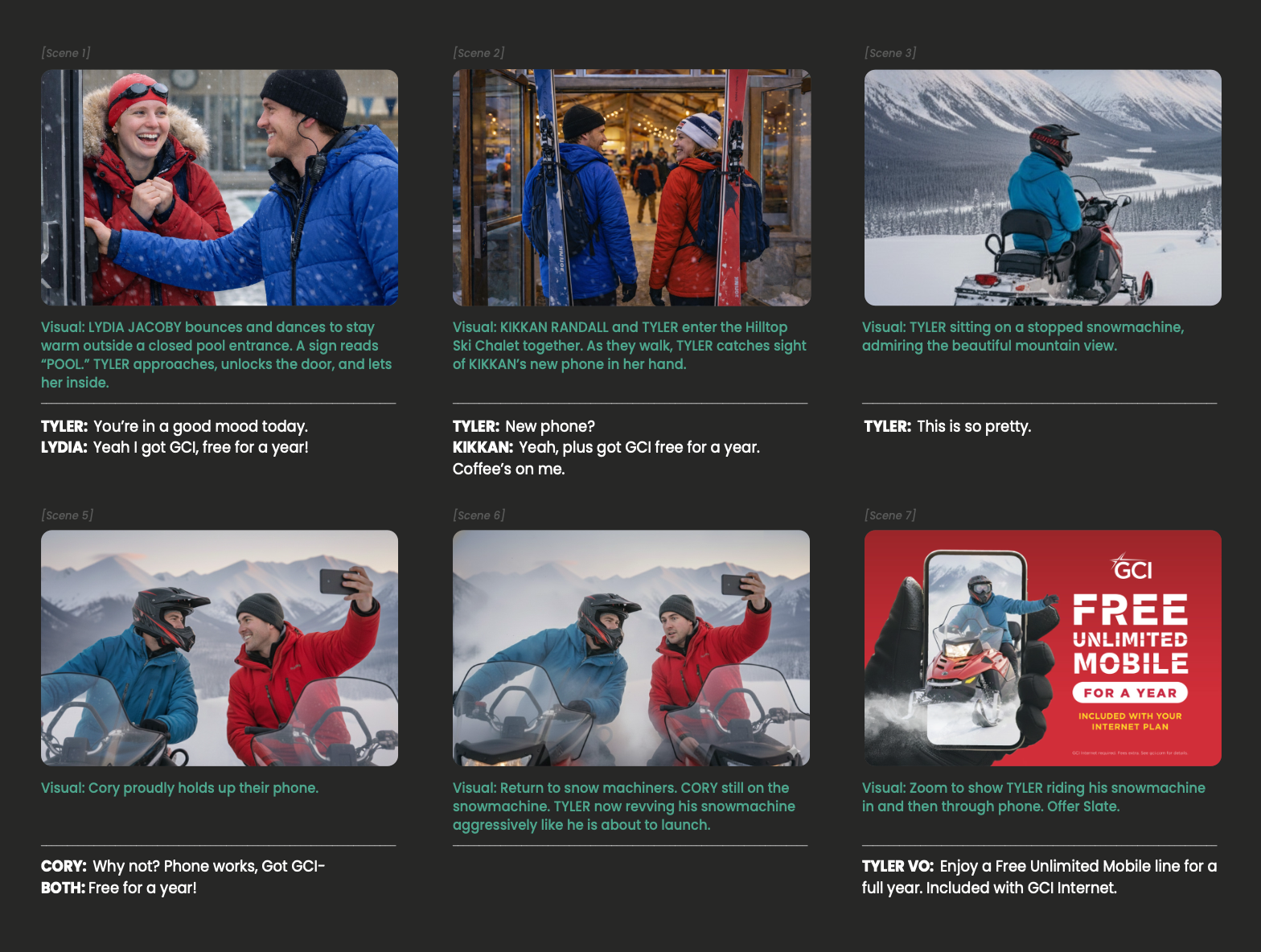
Long before anyone presses the shutter, there are creative meetings, storyboards, production schedules, talent coordination, location planning, lighting diagrams, shot lists, and dozens of people working together toward one goal.
Earlier this year, I had the opportunity to photograph behind the scenes and create still photography for GCI's Super Bowl campaign featuring Olympic gold medalist Kikkan Randall and Olympic swimming champion Lydia Jacoby.
While the commercial itself tells the story in thirty seconds, the work behind creating those thirty seconds took an entire team of talented people. I was fortunate to be one small part of it.
Every Great Campaign Starts with a Plan
By the time I arrived on set, every scene already had a purpose. This wasn't a shoot where we simply showed up and hoped inspiration would strike.
Before production day even began, the creative team had already mapped out every scene. The storyboard established the flow of the commercial, while the production schedule coordinated multiple locations, talent call times, videography, photography, lighting, audio, and crew logistics. My job was to create still images that felt like a natural extension of the campaign while also providing GCI with an entirely separate library of marketing assets.
Being a commercial photographer and creating images for campaigns is rarely about creating one incredible image.
It's about creating hundreds of useful ones.
Working with a Production Team
One of the things I love about larger commercial photography and video productions is the collaboration.
On this project, I worked alongside a director, producer, art director, assistant director, audio technician, grip and lighting crew, production assistants, and videographers. Everyone had a specific role, and every department worked together to keep production moving efficiently.
Commercial productions are a little like an orchestra.
No one person is carrying the entire performance. Instead, every department contributes its expertise so the final campaign feels seamless.
As a photographer, my responsibility wasn't to interrupt video production. It was to understand the rhythm of the day, anticipate opportunities, and create compelling imagery without slowing the production down.
That balance is one of my favorite challenges.
Photographing Olympians Was Only Part of the Job
Working with Kikkan Randall and Lydia Jacoby was genuinely a joy. They're both incredibly kind, approachable, and naturally comfortable in front of a camera. But surprisingly, photographing Olympians wasn't actually the hardest part of the day. The real challenge was making sure every image supported the campaign itself.
The assignment wasn't simply, "Take beautiful photos of famous athletes."
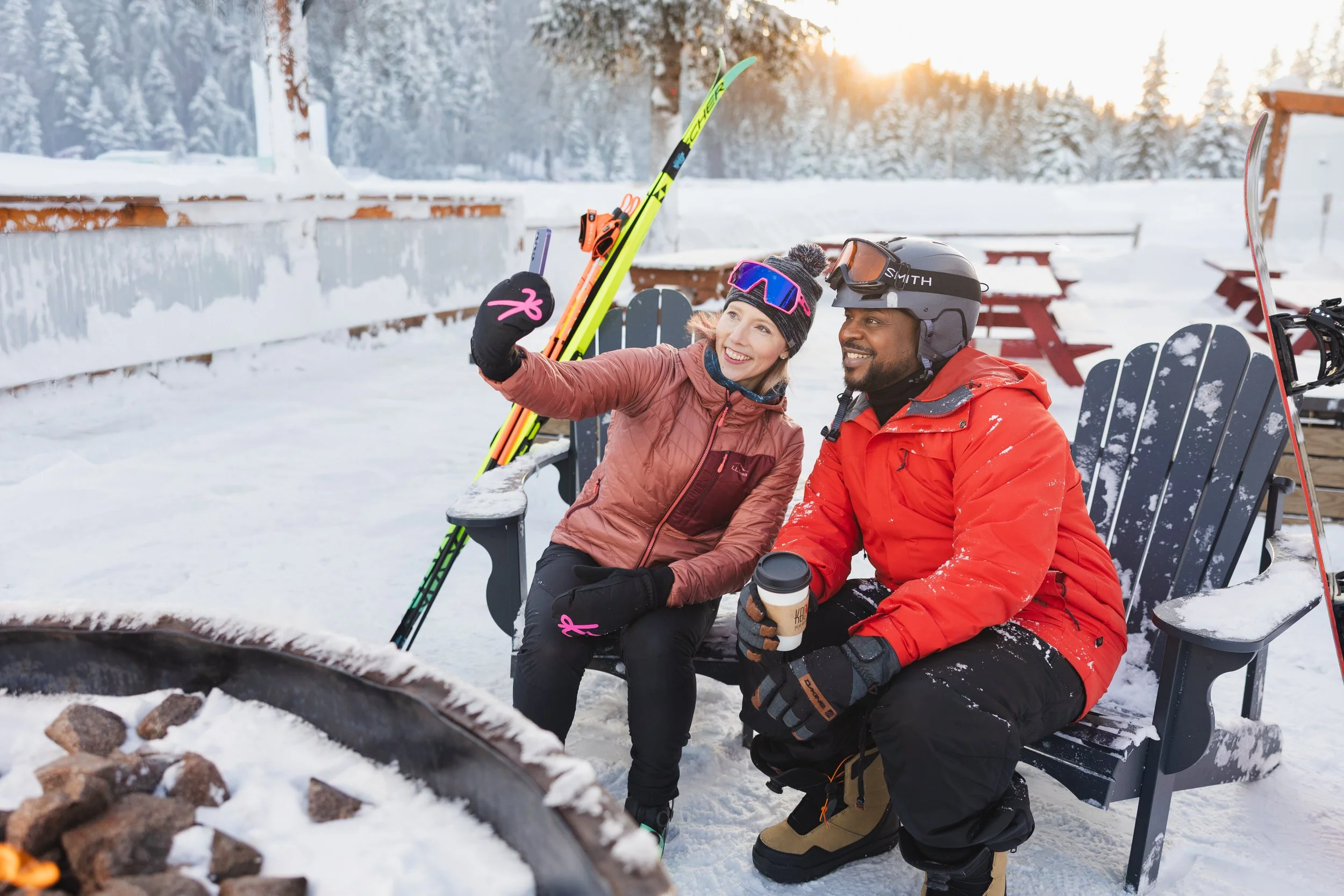
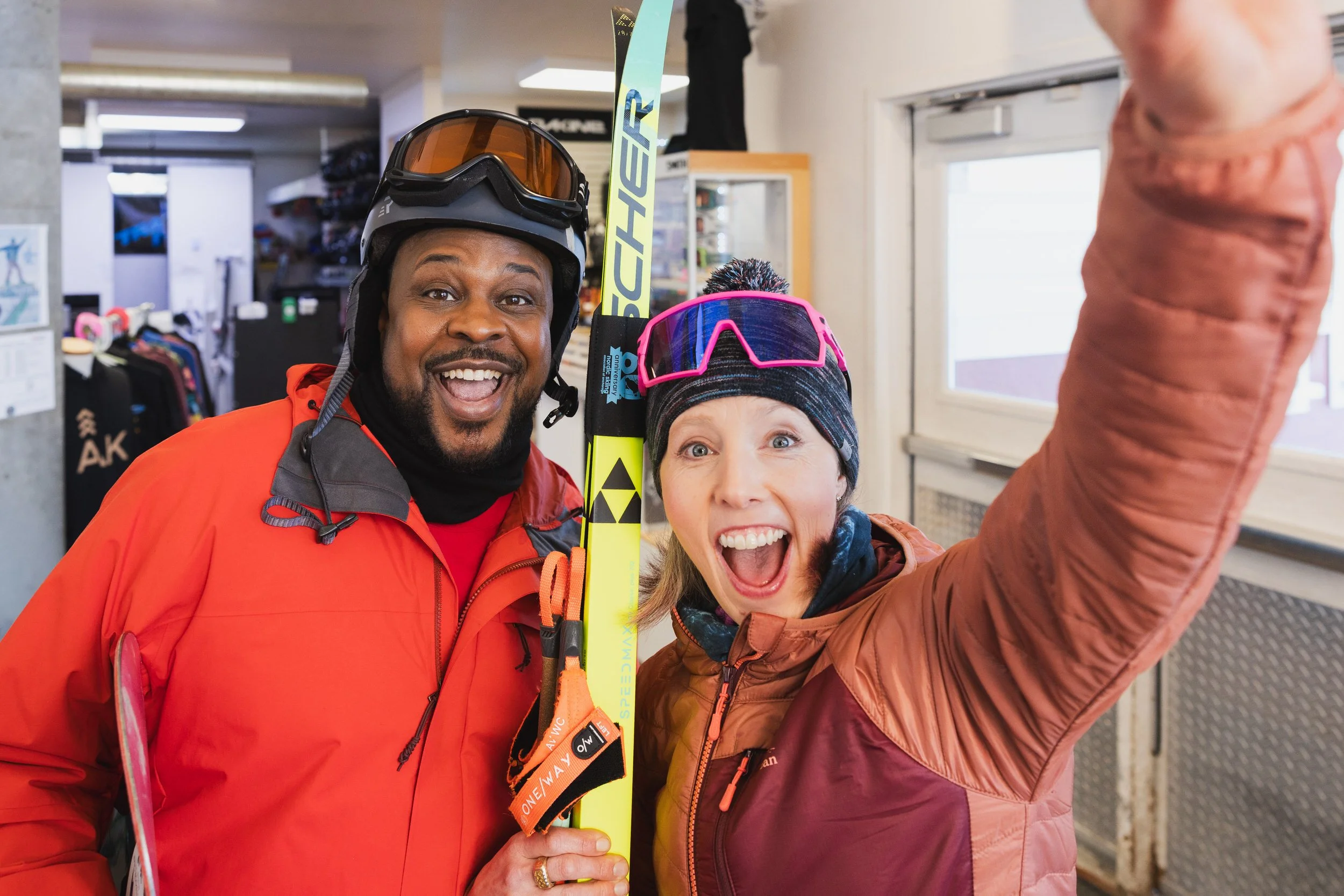
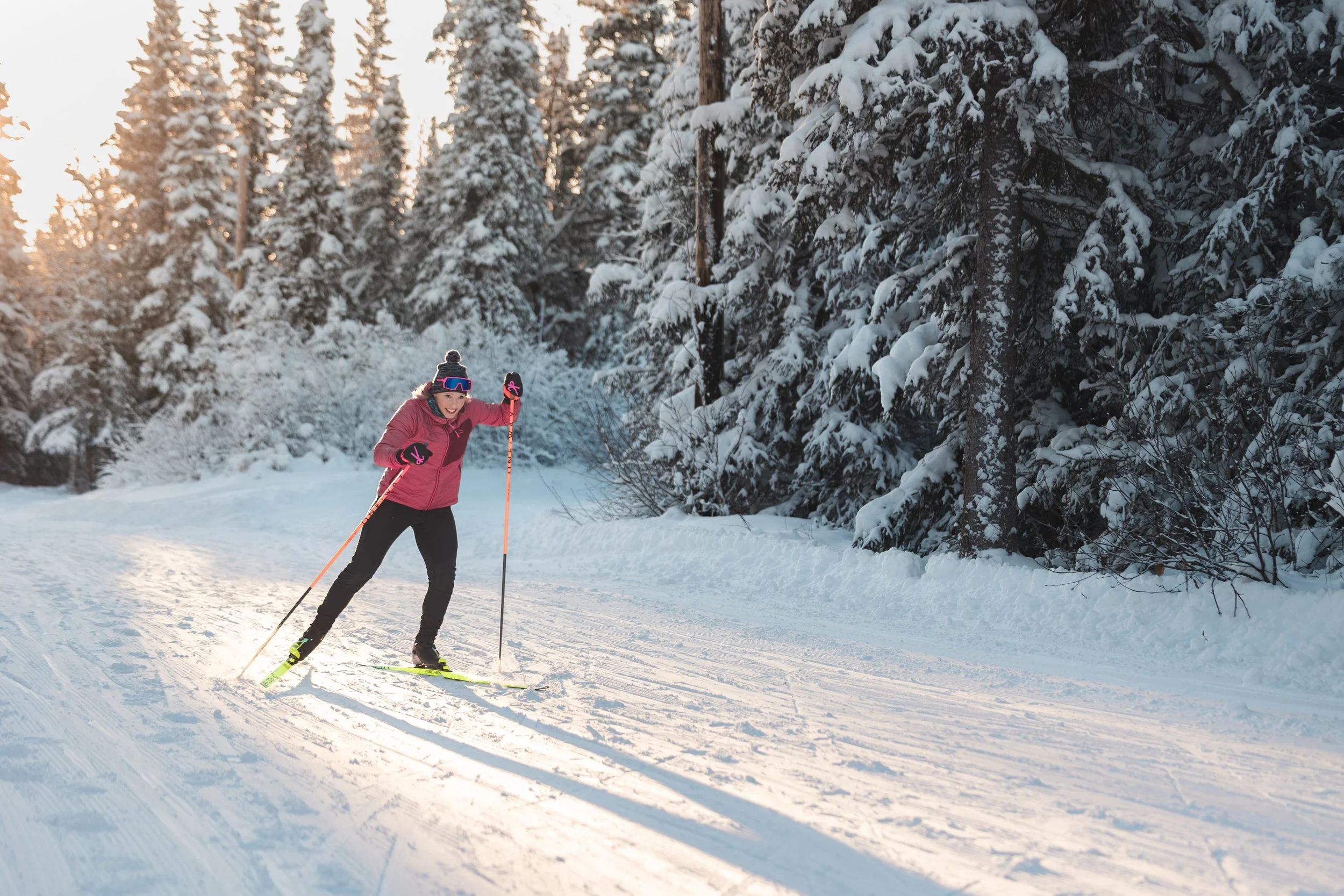
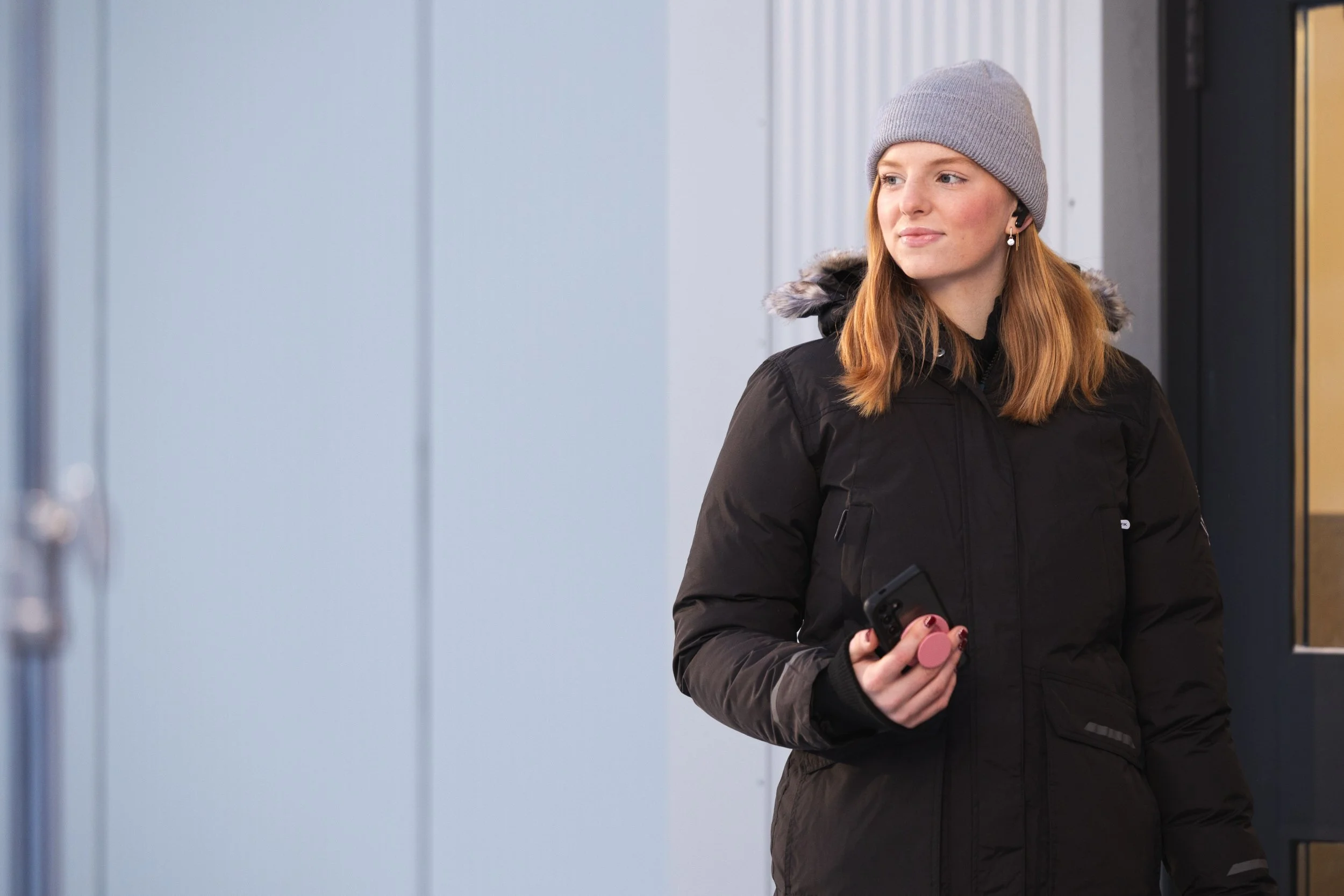
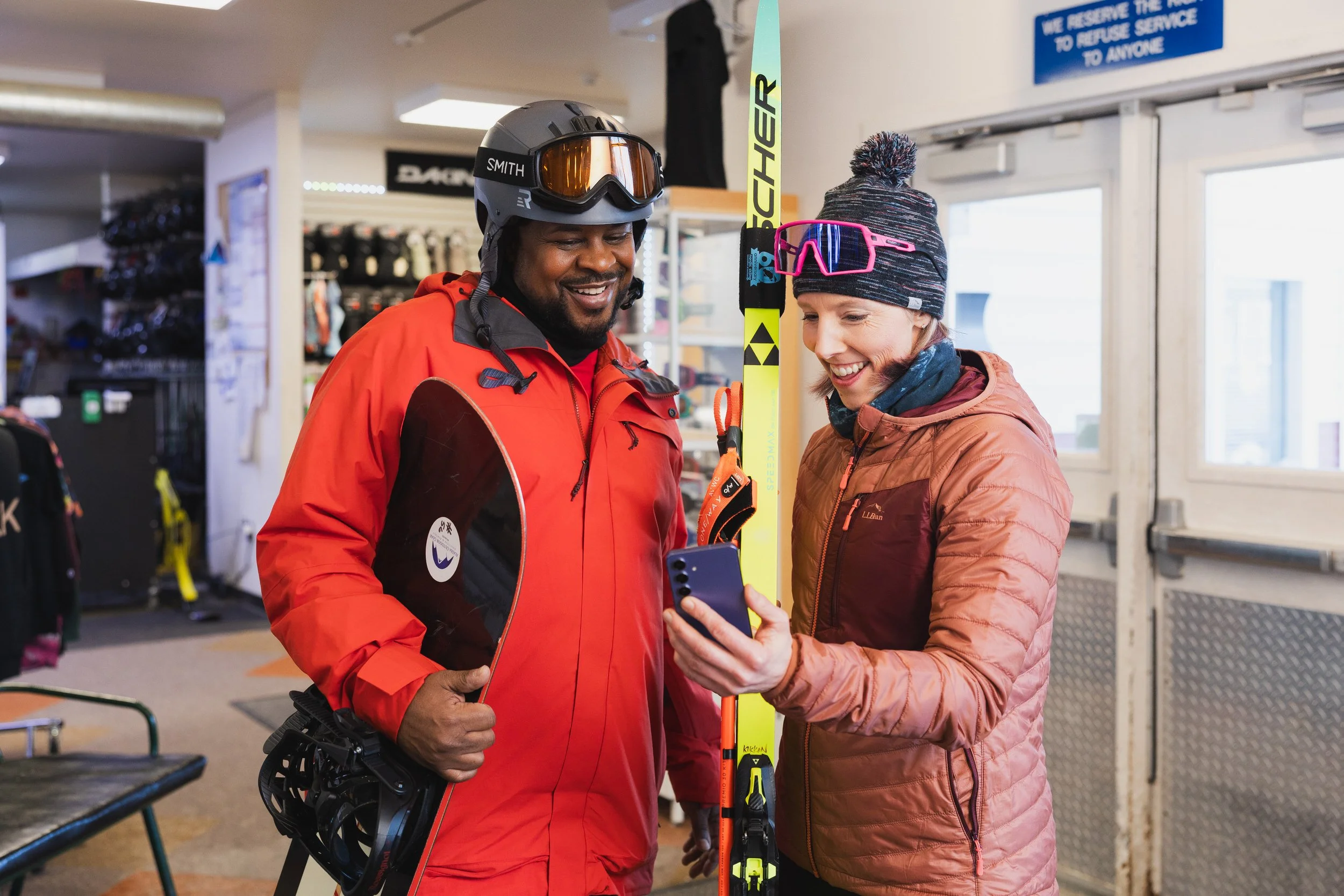
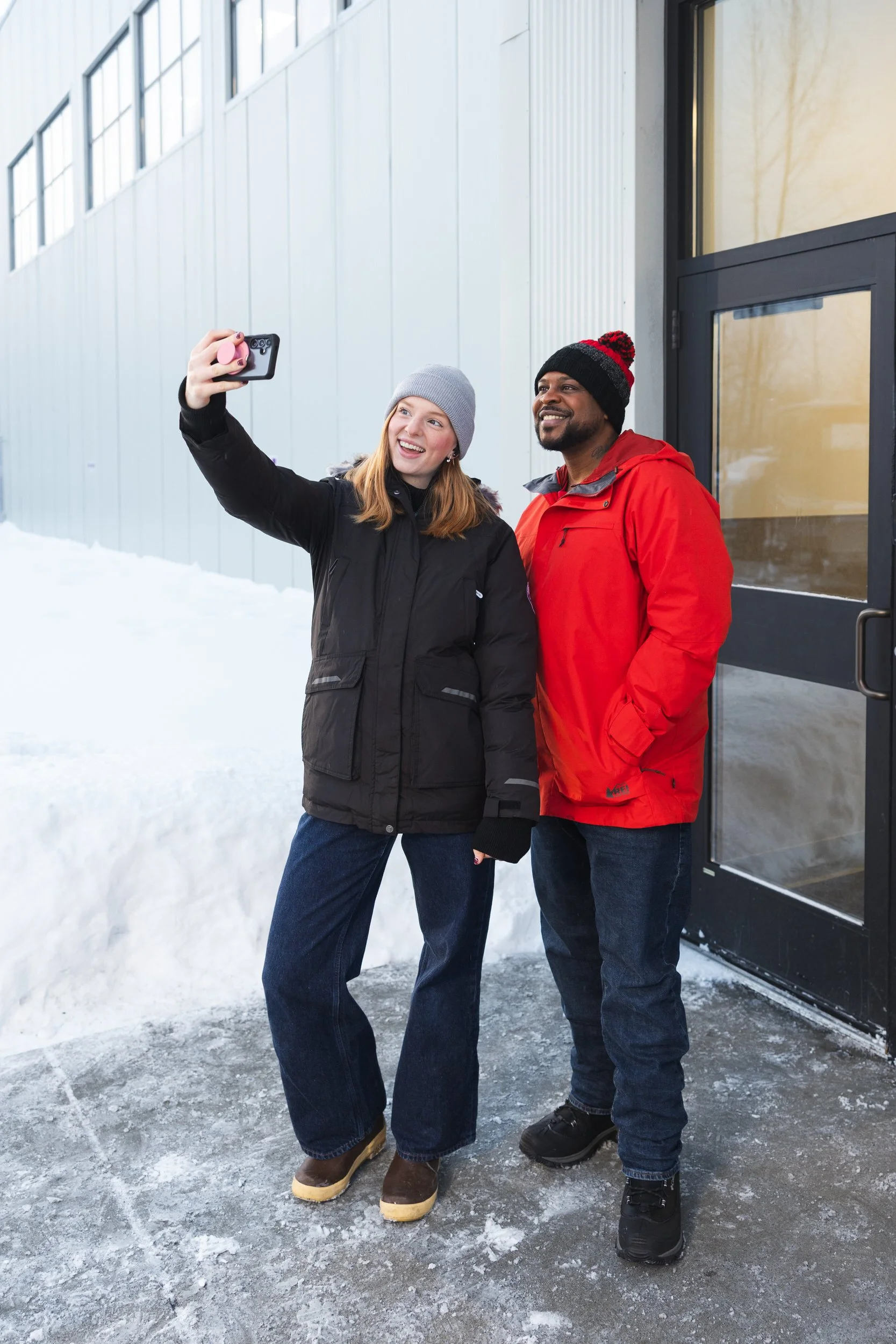
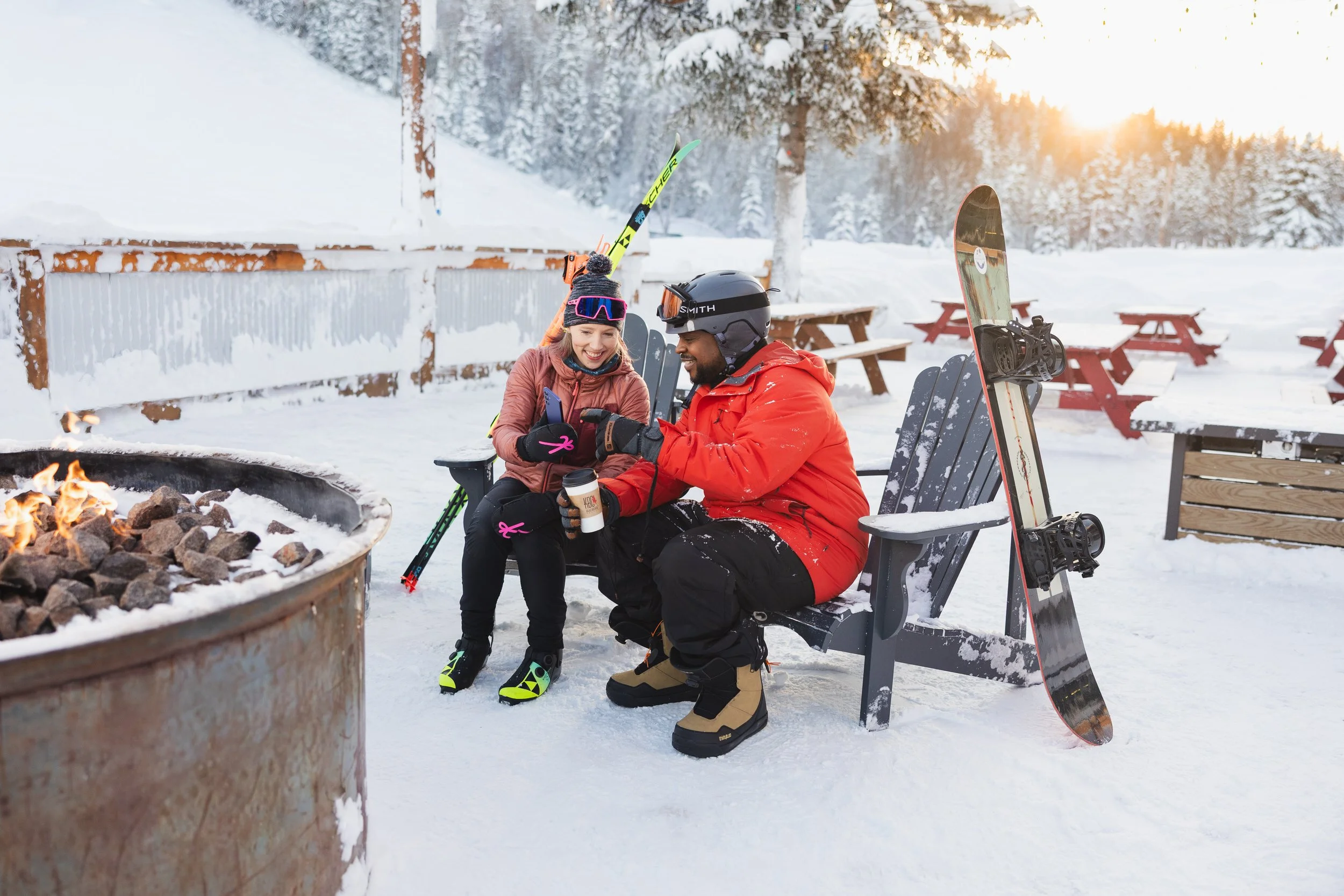
Instead, every photograph needed to reinforce GCI's message while feeling authentic and approachable. Whether it was capturing a candid laugh over coffee at Hilltop, documenting a selfie moment, or photographing Kikkan skiing through fresh snow, each image needed to feel like it belonged within the larger story the campaign was telling.
That's the difference between portrait photography and commercial photography. The person may be the subject, but the brand is always the client.
Commercial Photography Happens Fast
One thing that often surprises people about commercial photography is just how quickly production days move. Video schedules are carefully timed, talent has limited availability, daylight is constantly changing, and every location has its own window to capture what you need before the crew moves on to the next scene. Sometimes you only have a few minutes to create an entire collection of images, which means there isn't time to overthink every frame. That's why preparation is everything.
Because I had already studied the storyboard and understood the campaign's creative direction, I could spend less time deciding what to photograph and more time recognizing opportunities as they unfolded. That allowed me to create a wide variety of imagery during every available moment, from the planned hero shots to the candid interactions that happened naturally between takes.
Some of my favorite photographs from the day weren't even part of the shot list. They came from the conversations between takes, the laughter after a selfie, and watching Kikkan ski through the golden winter light while the rest of the crew prepared for the next scene. Those authentic moments often become some of the strongest marketing assets because they capture real emotion and help audiences connect with a brand in a genuine way.
More Than One Hero Image is Needed
One of the biggest misconceptions about commercial photography is that the goal is to deliver one incredible image. While every client certainly wants those hero shots, what they really need is a versatile library of photographs that can support their marketing long after the production day is over.
During a commercial shoot like this, I'm thinking beyond a single frame. I'm looking for images that can be used across social media, websites, digital advertising, print materials, public relations, email campaigns, and countless other marketing pieces. Some photographs need negative space for headlines, others need to tell a complete story on their own, and some simply capture authentic moments that help people connect with the brand behind the campaign.
When I deliver a gallery, I'm not just handing over beautiful photographs. I'm giving the marketing team the flexibility to launch campaigns, refresh their website, update advertising, share behind-the-scenes moments, and continue telling their story for months or even years after the shoot. That's the lasting value of commercial photography.
Why I Love Commercial Photography
Projects like this remind me why I love being a commercial photographer in Alaska. Every production brings together people with different talents, from the creative team developing the concept to the crew managing lighting, audio, logistics, and production, all working toward the same goal. Watching those moving pieces come together is exciting, but what I enjoy most is seeing how every person's contribution helps tell a larger story.
Whether I'm photographing an outdoor brand, a tourism company, a hospitality group, or a national advertising campaign, my role is always the same: to create thoughtful marketing assets that support the vision, strengthen the campaign, and give clients the flexibility to share their story across every platform.
At the end of the day, commercial photography is about more than creating beautiful images. It's about understanding a brand's goals, collaborating with a talented team, and delivering photographs that continue working long after the cameras are packed away. Knowing that my work helps bring those ideas to life is one of the most rewarding parts of what I do.
Curious how the final campaign came together? Watch the completed commercial HERE, then compare it to the behind-the-scenes photographs throughout this article. (Credit to the talented team at Yuit Communications for producing the final commercial. Watching it first helps put the behind-the-scenes photographs throughout this article into context.)